
Knife Game Leaderboard Mechanics: Inside Skill Arena’s Knife Mode
Knife Game Leaderboard Mechanics: Inside Skill Arena’s Knife Mode
If you want to rise on the knife game leaderboard in Skill Arena, you need more than fast swipes. Knife mode is built around precise timing, clean mechanics, and a smooth action flow that rewards discipline under pressure. This deep dive breaks down how scoring works, how tournaments use the mode, and what separates a strong run from a leaderboard-topping performance.
How the Knife Game Leaderboard Works
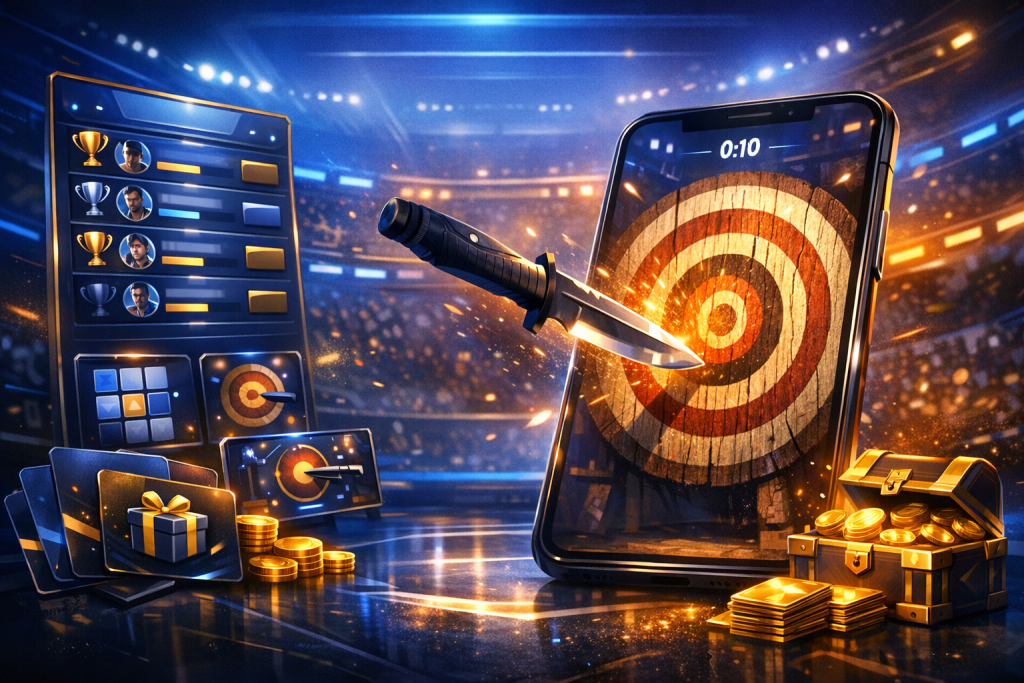
The leaderboard is a live reflection of execution quality in knife mode. Every run converts your inputs into a score that balances accuracy, pace, and streak stability. Mistakes cost position, while consistent timing delivers compounding gains.
In tournament play, all participants compete under identical parameters. This ensures your rank comes from performance, not from variable setups. Sessions are short and intense, so small improvements in rhythm and release control can create large jumps in placement.
Core scoring principles
- Precision first: Direct, centered hits earn more than edge contacts.
- Tempo under control: Quicker is only better when accuracy holds.
- Streaks matter: Sustained clean throws build momentum; drops reset it.
- Tight windows: Favor clean timing over rushed inputs.
Action flow you can trust
Knife mode is structured for repeatability. Targets appear in a predictable rhythm within a defined round. The loop is designed so players can train cadence, lock mechanics, and steadily push higher without relying on randomness.
Knife Mode: Timing, Mechanics, and Action Flow
Great knife runs start with a stable base—hands, eyes, and rhythm. The goal is a release that feels identical on each throw. Once stability is in place, shift attention to micro-optimizations that separate top-tier scores.
Timing windows
Each throw sits inside a window where precision yield is highest. Arrive early or late and you’ll still score, but not at peak. Train to meet the middle of the window consistently, then layer in speed.
Mechanics that scale
- Anchor your device hold so screen movement doesn’t shift your line.
- Use a compact motion path—shorter travel supports repeatable timing.
- Track target approach the same way every time to build muscle memory.
Action flow and stamina
Knife mode rewards short, clean bursts. Over-gripping or chasing split-second gains too early will break form. Keep your pattern steady, let the rhythm set your pace, and add speed only after your accuracy trend is flat and reliable.
Comparison: Knife Mode vs Memory Mode
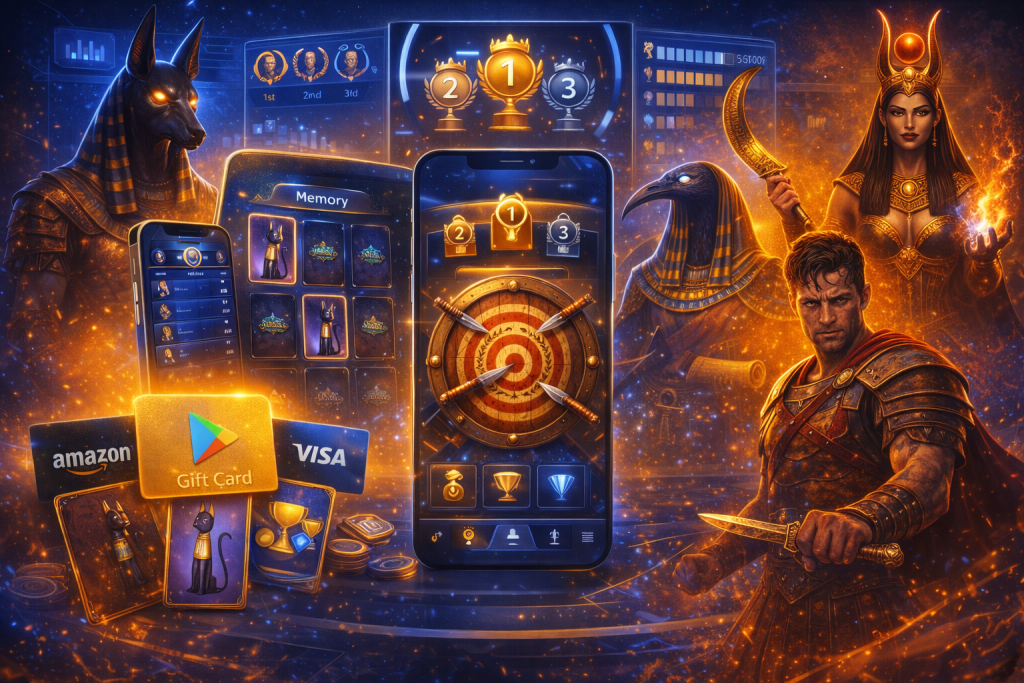
Both core modes in Skill Arena focus on skill, but they pull on different strengths. Understanding the differences helps you move between events efficiently.
Knife mode
- Primary skill: Motor precision and cadence discipline.
- Scoring driver: Timing windows, streak stability, and target alignment.
- Mindset: Calm hands, consistent release, pressure control.
Memory mode
- Primary skill: Recall accuracy and pattern reconstruction.
- Scoring driver: Error-free sequence playback at rising speed.
- Mindset: Visual encoding, chunking, and confidence in retrieval.
If you excel at tempo and hand–eye precision, knife mode will feel natural. If you thrive on recall and patterning, memory mode may suit you. Many top players cross-train: memory mode sharpens focus and composure that translate back into knife runs under pressure.
For a focused look at memory competition dynamics, see the Memory Game Rewards deep dive. For another angle on knife competition, explore the earlier knife mode overview.
Tournaments and Leaderboard Integrity
Skill Arena is a skill-based mobile game by design. Tournaments standardize settings so outcomes reflect player performance. That means consistent target behavior, transparent scoring, and validated session results. The objective is fairness without noise, so the leaderboard showcases real competition.
- Standardized events: Identical timing, targets, and round length within each tournament.
- Clear scoring: Precision and streaks are visible in your result, with no hidden chance multipliers.
- Result confidence: Submissions are verified so placements reflect actual in-run execution.
Curious how formats and validations work? Read the Tournaments Guide and How Skill Arena Works. For a broader look at the platform and philosophy, start with What Is Skill Arena?
Top placements can unlock select gift card rewards in eligible events. The emphasis is always on skill-first competition and verified results.
Tips to Climb the Knife Game Leaderboard
Small refinements compound. Focus on these fundamentals, and you’ll notice score gaps close quickly.
- Warm up your cadence: Start a run slightly under pace to lock accuracy, then build speed.
- Train a single release: Avoid improvising motion paths; perfect one repeatable movement.
- Calibrate landmarks: Choose visual points to trigger releases at the same stage every time.
- Protect streaks: When a throw feels off, reset your rhythm rather than chasing a risky catch-up.
- Review patterns: After a session, note where misses cluster and adjust your timing window.
FAQ: Knife Game Leaderboard in Skill Arena
How does ranking work on the knife game leaderboard?
Players are ranked by final score from knife mode runs. Score is driven by precision, streak consistency, and clear timing within the round duration. Higher accuracy and faster, controlled execution typically place you higher.
What breaks a tie on the knife game leaderboard?
When scores match, micro-differences such as time-to-complete and consistency across the run (fewer misses or drops) determine final order. This keeps outcomes fair when top players post similar totals.
Is knife mode based on luck?
No. Knife mode emphasizes timing, mechanics, and repeatable skill. Outcomes come from player decisions and execution, not chance-based boosts or random multipliers.
How should I practice timing for knife mode?
Use consistent visual landmarks, count your cadence, and train a stable release. Build muscle memory around the tempo rather than chasing speed alone. Add pace only after consistency is locked.
Where can I learn more about tournaments and fairness in Skill Arena?
Review the Tournaments Guide and How Skill Arena Works pages for event formats, scoring validation, and integrity standards that keep competition consistent and fair.
Download Skill Arena and Compete
Push your limits in knife mode, climb the leaderboard, and compete in verified tournaments. When you’re ready, join Skill Arena—the platform built for speed, precision, and real competition, with select events offering gift card rewards tied to performance. Download Skill Arena and start your climb today.

2 Responses