Leaderboard Games With Prizes: Skill-First Competition, Not Luck
Leaderboard Games With Prizes: Skill-First Competition, Not Luck
If you search for leaderboard games with prizes, you’ll find two very different experiences: systems that hinge on luck and delay, and formats that reward precision, speed, and consistent performance. Skill Arena belongs to the second group. It’s a skill-based mobile game built around short tournaments, fair leaderboards, and scoring that proves your ability under pressure.
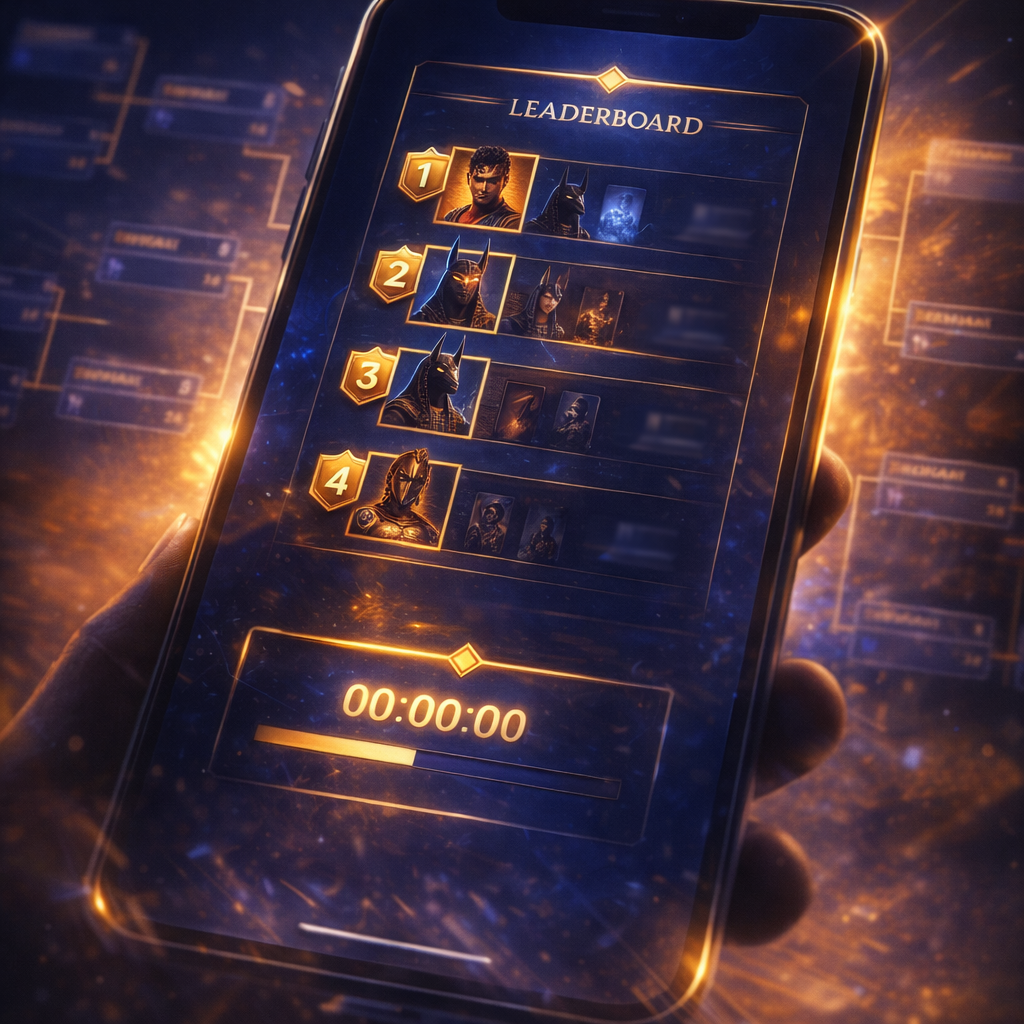
How leaderboard games with prizes work when skill comes first
In a real competitive format, every player faces the same constraints: identical levels, strict timers, and a scoring model that translates execution into rank. That’s what keeps results comparable and leaderboards credible. Skill Arena’s approach is straightforward: enter a fast tournament, play a standardized run, and post your score. When the clock expires, placements lock and the results stand.
This design protects the core of competition:
- Precision matters: micro-aim, tap rhythm, and exact inputs are scored consistently.
- Speed matters: you operate inside tight windows; faster clean runs finish higher.
- Performance over time: repeatable technique beats one-off spikes.
Because each attempt is controlled and verifiable, the leaderboard reflects skill, not streaks. That’s the difference between real tournaments and time-wasting grinds.
Inside Skill Arena’s formats
Skill Arena focuses on modes that convert pure play into measurable results. Two examples highlight how fairness is engineered:
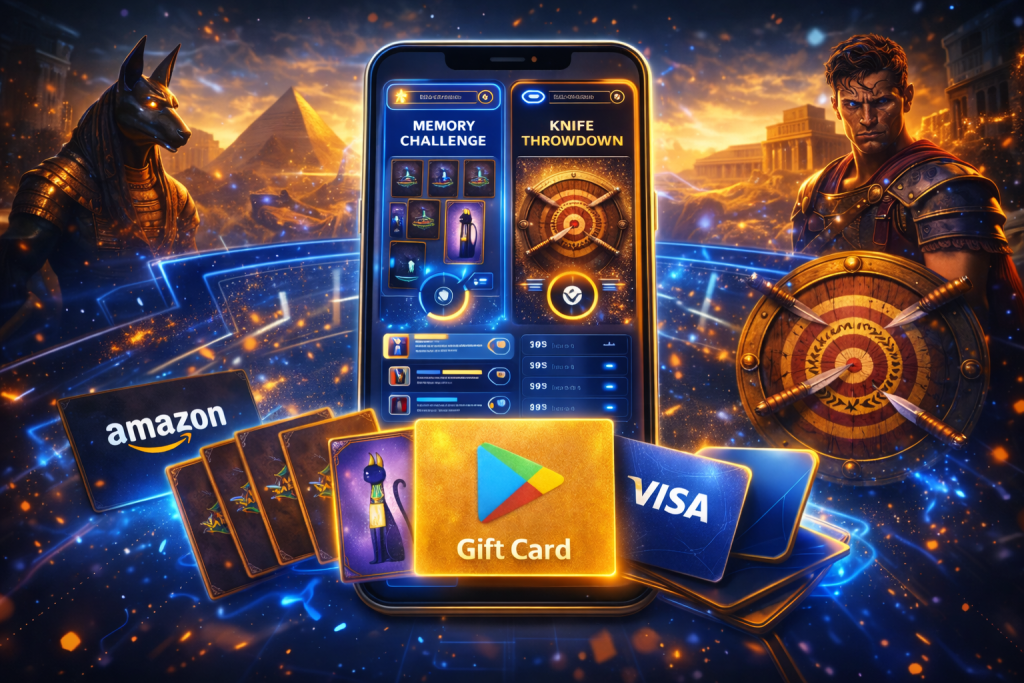
Knife mode: A timing-and-precision gauntlet. Each throw demands exact aim and disciplined cadence. Misses cost, streaks reward, and the physics stay consistent, so you can train up and climb. Tie-breaks lean on completion time and accuracy, reinforcing execution quality.
Memory mode: A rapid pattern-recall sprint. You’ll read, retain, and reproduce sequences at rising difficulty. Success comes from quick processing and error-free input. The layout is standardized, so the same rules meet every player in the bracket.
Together, these modes show what “skill-first” means in practice: if you can learn it, refine it, and repeat it under a tournament timer, you can place higher on the board.
Quick comparison: skill-first vs. cluttered gaming models
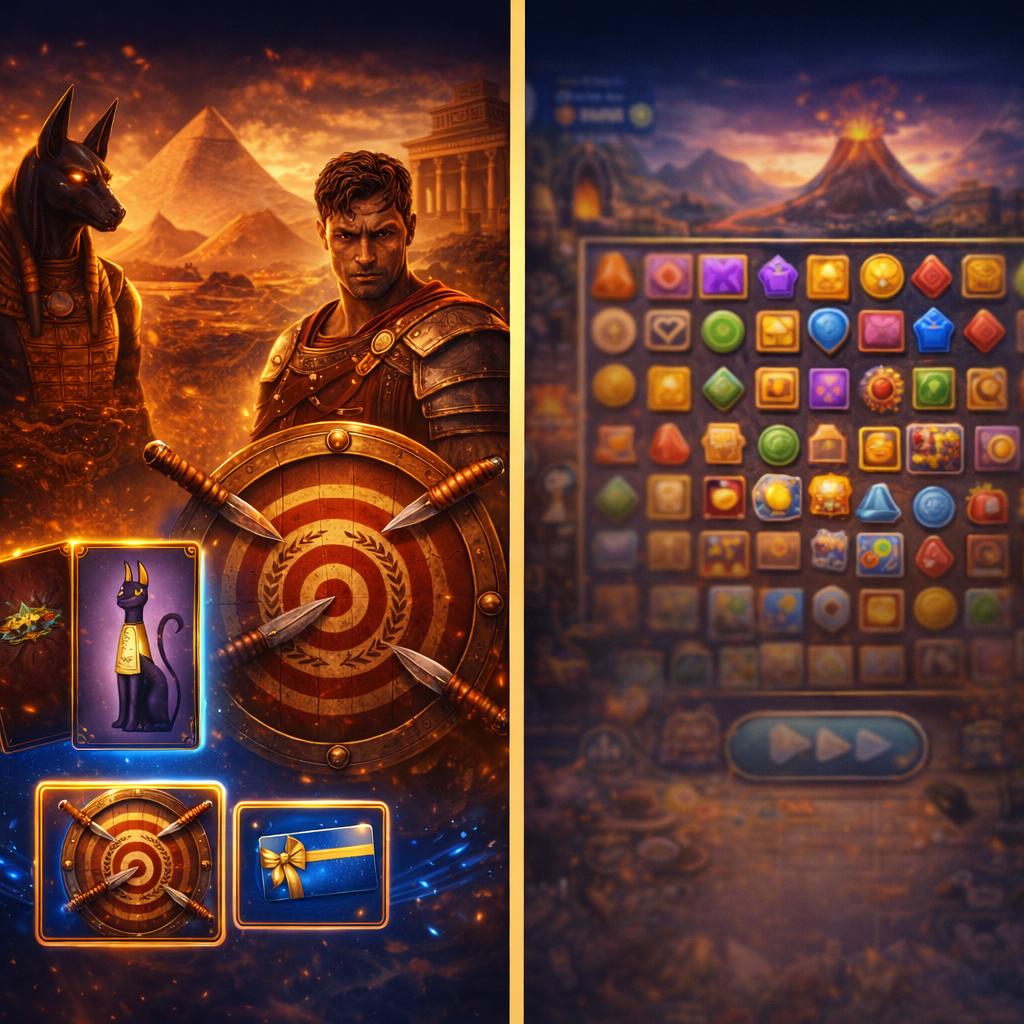
Not all competitive-looking apps treat results the same. Here’s a compact view of how a skill-first tournament structure stacks up against common alternatives.
| Criteria | Skill Arena (Skill-First) | Generic Reward App | Arcade with RNG Elements |
|---|---|---|---|
| Outcome decided by player skill | Yes | Partial | No |
| Standardized levels for all players | Yes | Partial | No |
| Transparent scoring and tie-breaks | Yes | Partial | No |
| Anti-cheat and result verification | Yes | Partial | No |
| Short, timed tournaments | Yes | Sometimes | Rare |
| Clean, uncluttered competitive UI | Yes | Varies | No |
| Prizes tied to final placement | Yes | Partial | No |
| Depth of mastery (practice lifts rank) | High | Medium | Low |
Skill-first systems give you clear targets—accuracy thresholds, mistake budgets, and time splits. That clarity keeps leaderboards meaningful and lets serious competitors develop consistent, rank-raising habits.
Trust, fairness, and the integrity of the board
Trust is non-negotiable in competitive play. Skill Arena builds fairness into the format rather than relying on post-hoc fixes. Identical conditions ensure apples-to-apples scoring. Anti-bot checks protect the bracket. Clear tie-break logic prevents ambiguity when margins are razor-thin. And because the UI is clean and modern, you focus on execution—not on hunting through cluttered menus.
If you want a deeper breakdown of the system itself, read How Skill Arena Works and the broader Skill-Based Mobile Game Guide. For the bigger competitive context, see Real Competitive Mobile Games.
Performance in action: precision, speed, memory under pressure
Rising through a leaderboard is about measurable upgrades to your mechanics. Here’s how to target gains:
- Knife mode: Train repeatable release timing. Work in small sets, analyze your cadence, and tighten your aim. Precision is compounding; fewer misses early means confident late-game throws under the tournament clock.
- Memory mode: Chunk sequences, then accelerate. Push recall speed only after you’re clean at baseline lengths. Mistakes late are expensive; efficient patterning keeps your score curve stable.
- Across modes: Keep sessions short and focused. Track your average and best. Your objective isn’t one spike—it’s repeatable performance that withstands time pressure.
With standardization and verifiable scoring, your improvements translate directly to rank. That’s why players serious about competition favor structured tournaments over open-ended grinds.
Prizes that match skill
Skill Arena allocates prizes by final placement, and top performers can earn gift card rewards—clearly communicated, delivered through a modern, credible flow.
Frequently asked questions
What makes a leaderboard game truly skill-based?
A skill-based leaderboard game standardizes each attempt, uses transparent scoring, and verifies results. Timers, fixed layouts, and consistent physics ensure your precision, speed, and decision-making—not randomness—determine placement.
How does Skill Arena keep competition fair?
Skill Arena runs short, synchronized tournaments with identical conditions for all players. Anti-cheat checks, verified scoring, and tie-breaks driven by time and accuracy maintain fair leaderboards from start to finish.
Which skills matter most in Skill Arena’s modes?
Knife mode emphasizes precision, timing, and rhythm under pressure. Memory mode tests rapid recall, pattern tracking, and mistake minimization. Across both, consistent performance session-to-session is what lifts your ranking.
How do tournaments progress on mobile?
Tournaments run in fast rounds. You enter, play a standardized run, and post your score to the live leaderboard. When the timer ends, placements lock and prizes are allocated based on final ranking.
Beyond the basics: iterate, review, and rise
If you’re optimizing for top finishes, review your replays mentally after every run. Where did speed push accuracy too far? Where did safe play waste seconds? Tighten decisions, then test under a new timer. For a deeper look at timing nuance in action, see the Knife Game Tournament Mode Deep Dive, and for a broad system intro, visit What Is Skill Arena?
Play where your skill decides the outcome
Ready for fair, fast competition on mobile? Join structured tournaments, climb credible leaderboards, and let your performance speak. Download Skill Arena to compete now.